Chimney Safety
The Importance of Regular Chimney Sweeping
October 16, 2025 · 5 min read · Moses HVAC & Chimney
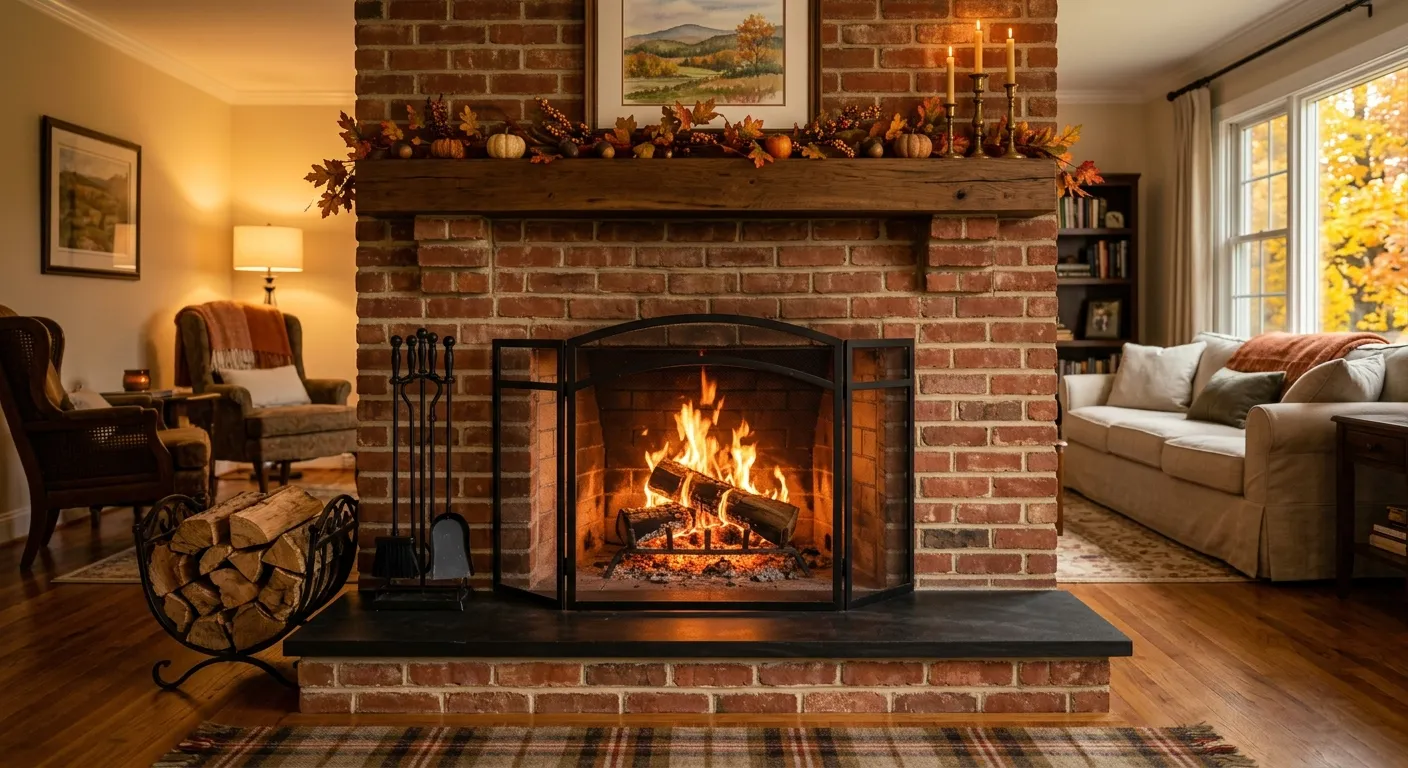
When you burn firewood in your hearth, the firebox generates carbon materials, exhaust, water vapor, and chemical gases. As these rise through the relatively cool walls of your brick chimney, they condense into a highly flammable, sticky, black tar byproduct called creosote.
Why Annual Sweeping is Essential
- Preventing chimney fires: Creosote is highly combustible. A single stray spark can ignite creosote on your flue walls. A chimney fire burns at over 2,000°F, hot enough to melt clay tile liners, crack steel sleeves, and spread to your attic framing.
- Defeating carbon monoxide leaks: Birds and raccoons frequently nest inside flues, and clay bricks flake away with age. These blockages prevent combustion fumes from escaping, leaking odorless carbon monoxide back into your home.
- Preserving masonry: The acids in wood soot corrode damper hinges, erode mortar, and destroy historic brick joints, leading to costly leaks.
Prevention Guidelines
- Burn dry, seasoned firewood only. Hardwoods like oak, maple, or walnut, dried at least 12 months, burn cleaner and reduce soot buildup.
- Avoid softwoods and waste materials. Pine, plywood, cardboard, and construction scraps contain pitches and glues that quickly create dangerous Stage 3 creosote glaze.
- Book regular sweeps. Schedule an inspection with a certified technician every fall. Our dual-HEPA vacuum containment clears all debris without releasing ash into your home.